Rebranding Catalyst grew the magazine by 23% in two issues and led to a collaboration with Michelle Zauner, bestselling author of Crying in H Mart.
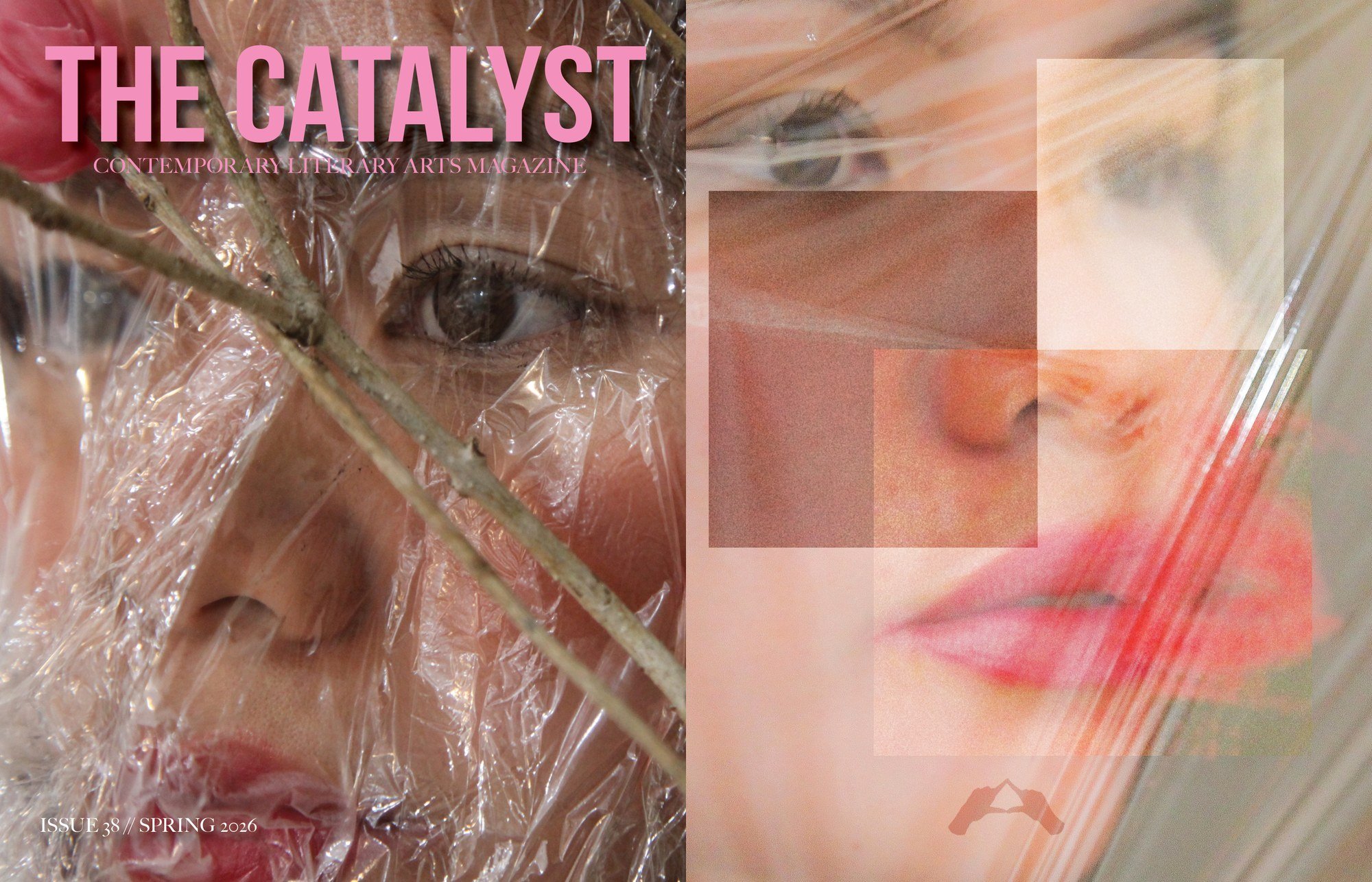
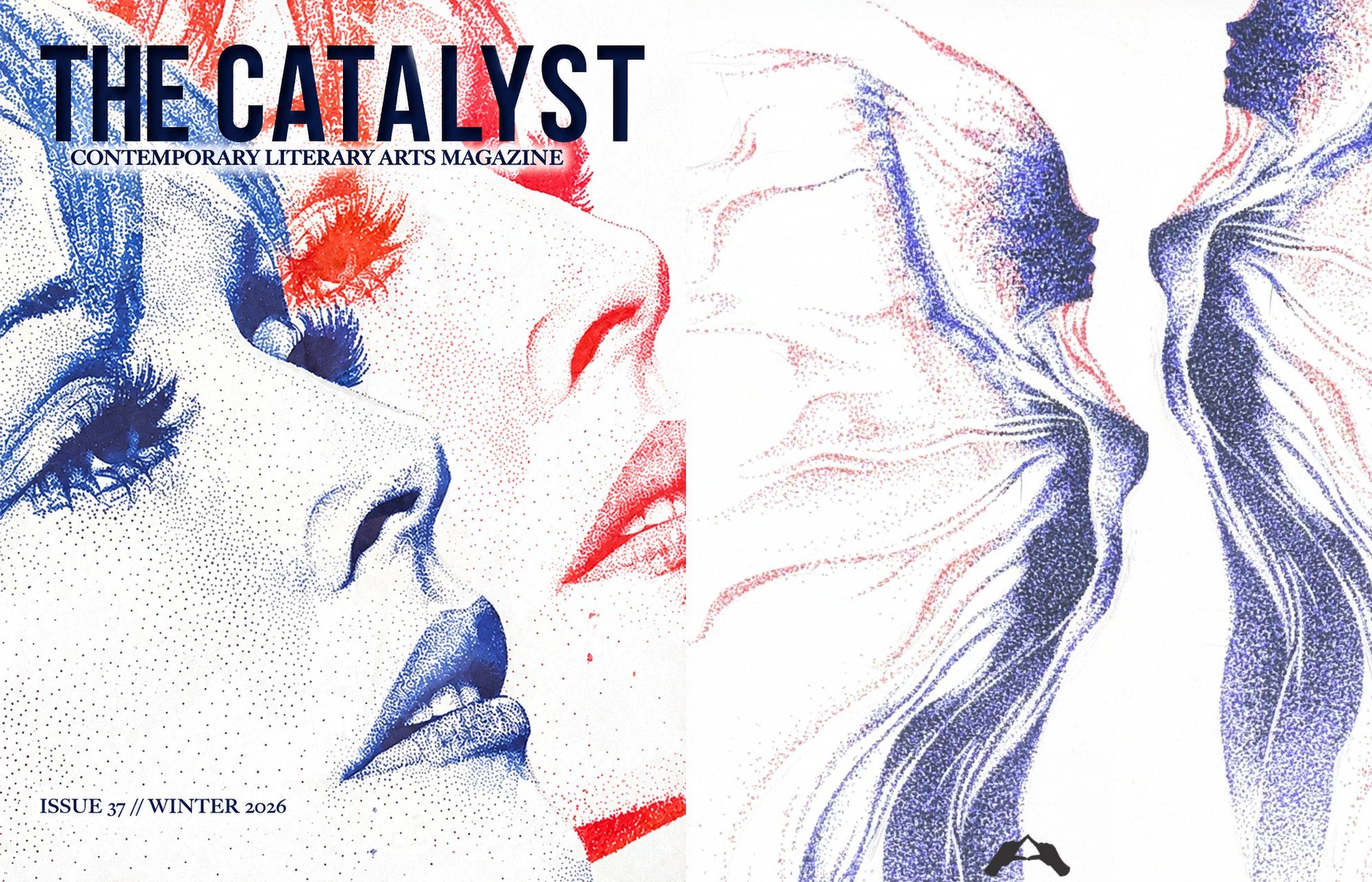
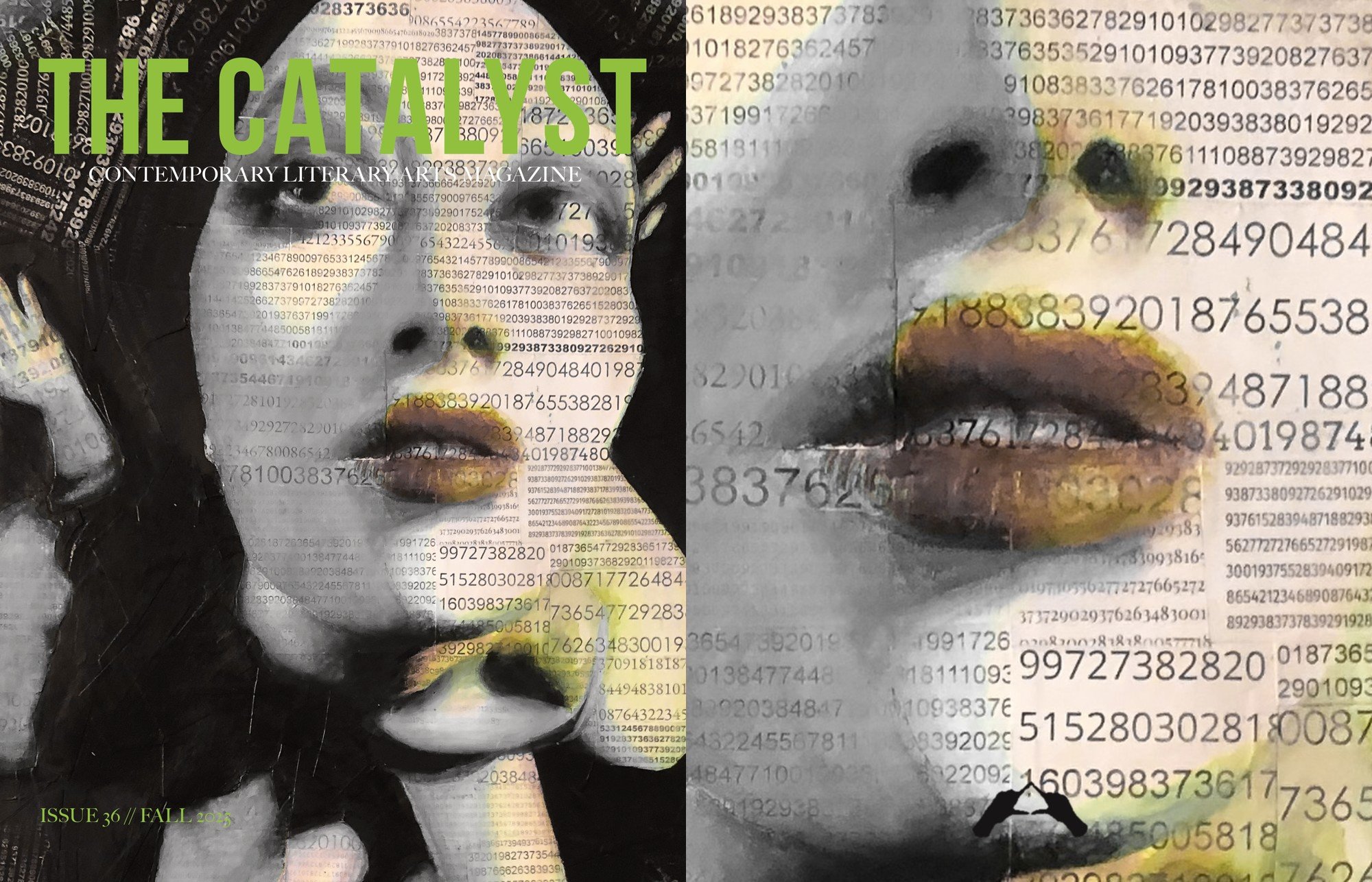
As Editor-in-Chief, I directed a rebrand of UC Santa Barbara's literary arts magazine across three print issues. Each issue got one aesthetic, one production standard, and a weekly plan for promoting it to students.
The Client
Catalyst Literary Arts Magazine is UC Santa Barbara's only literary arts magazine. Students in ENG 106 produce it each quarter, and it publishes writing and art from UCSB students and outside artists.
The Problem
Few students outside the English department knew Catalyst existed.
The Solution
One aesthetic per quarter, carried through the theme, the layout, the classroom, and the promotion, elevated Catalyst into a cohesive, professional magazine.
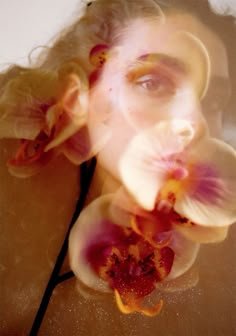
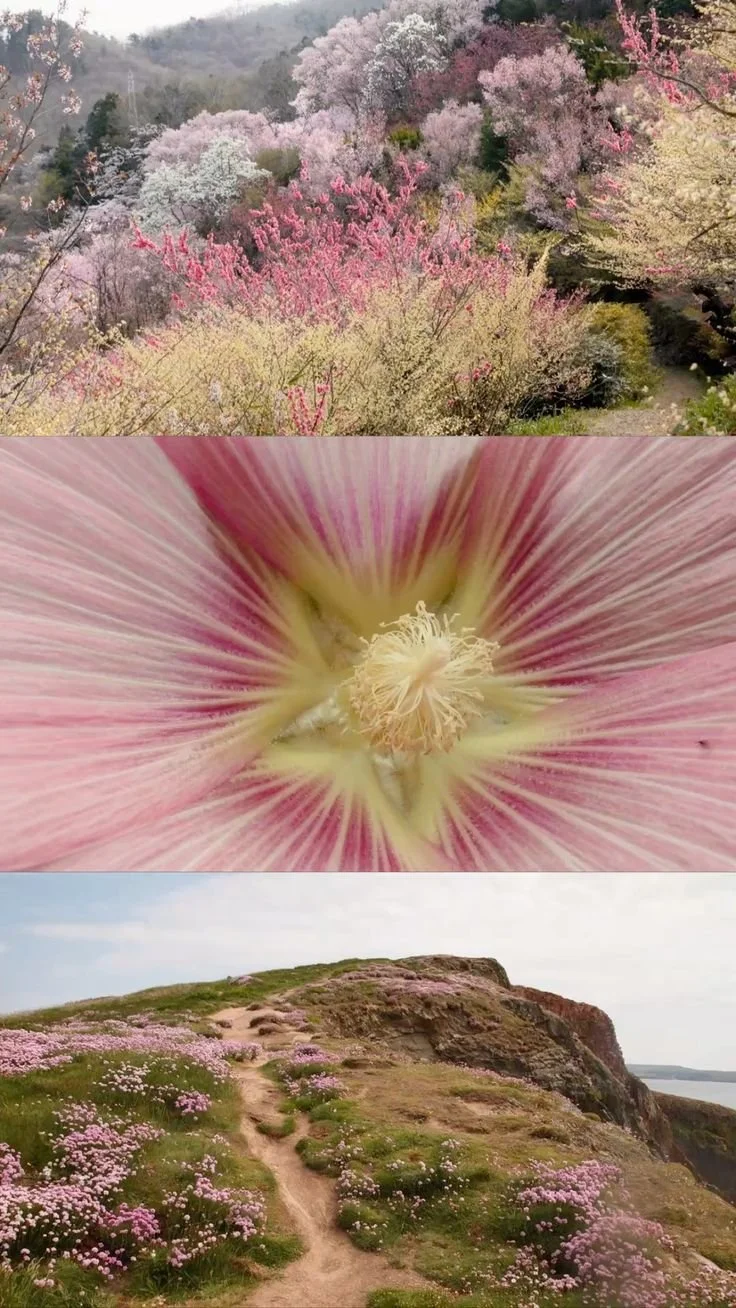
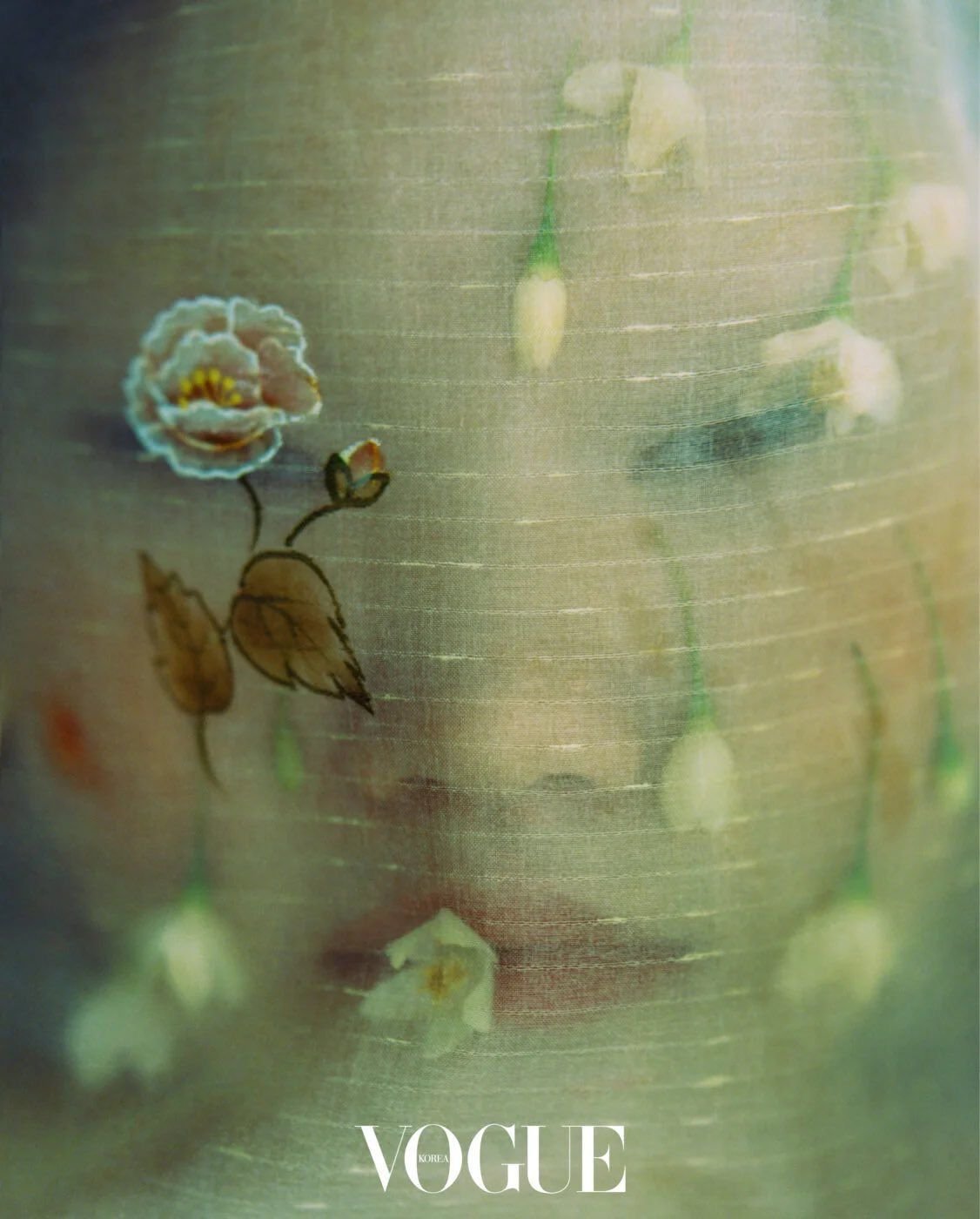
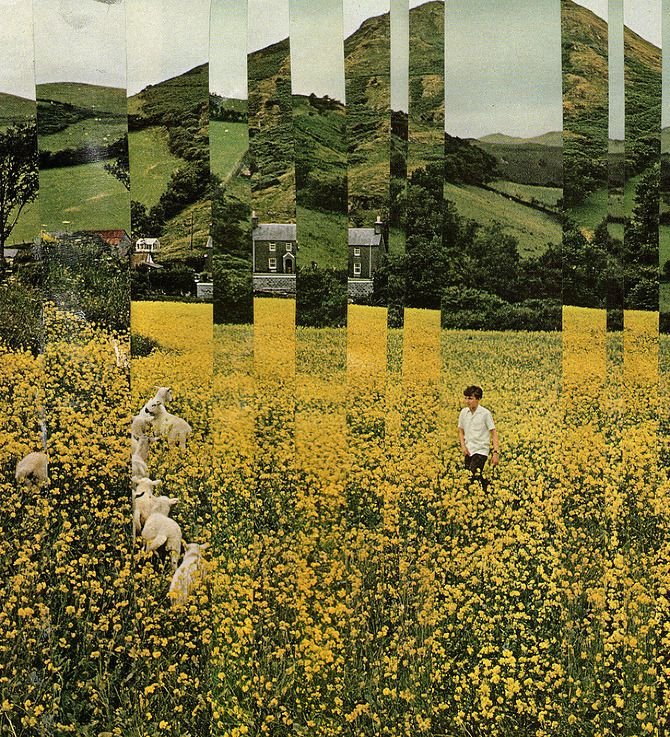
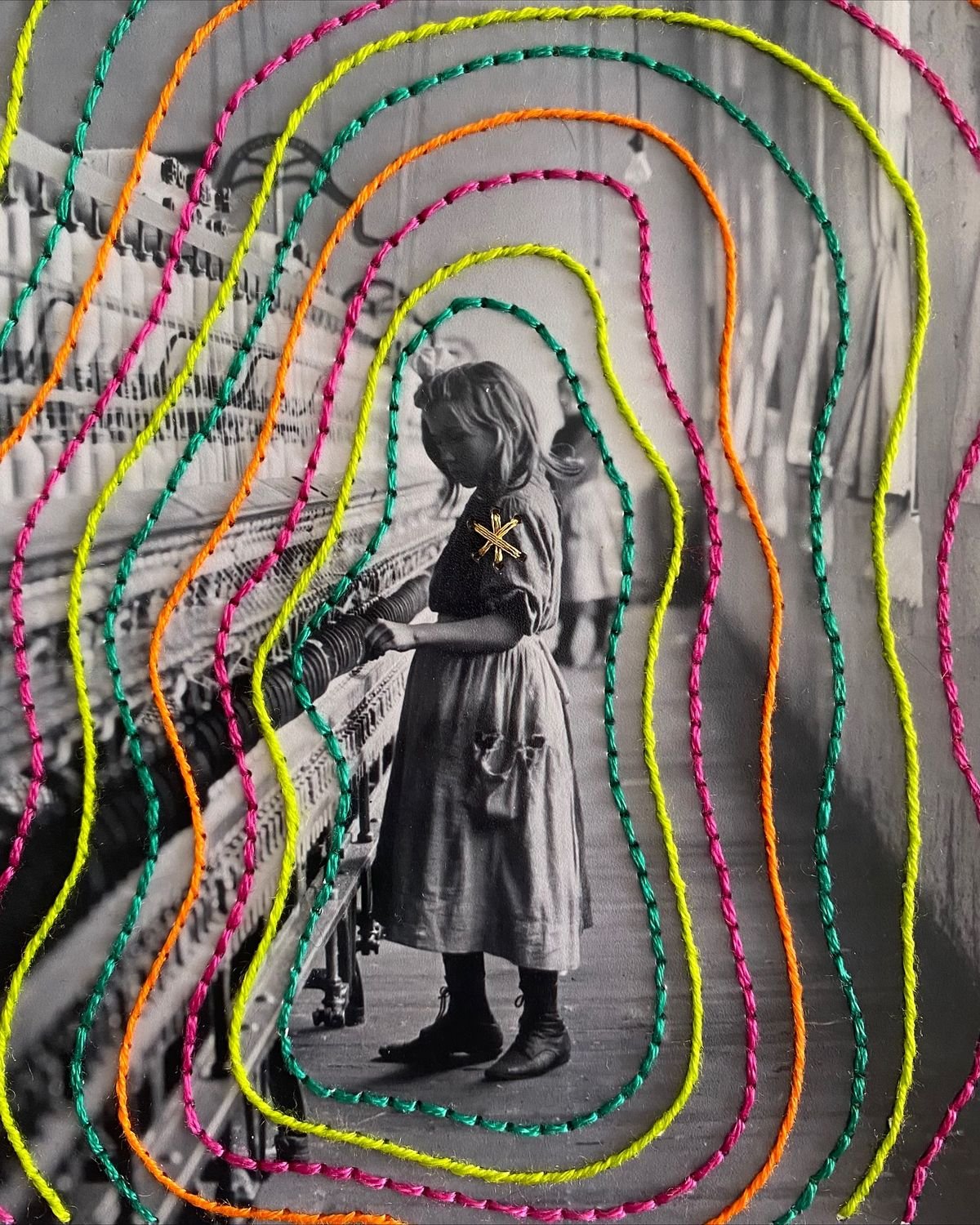
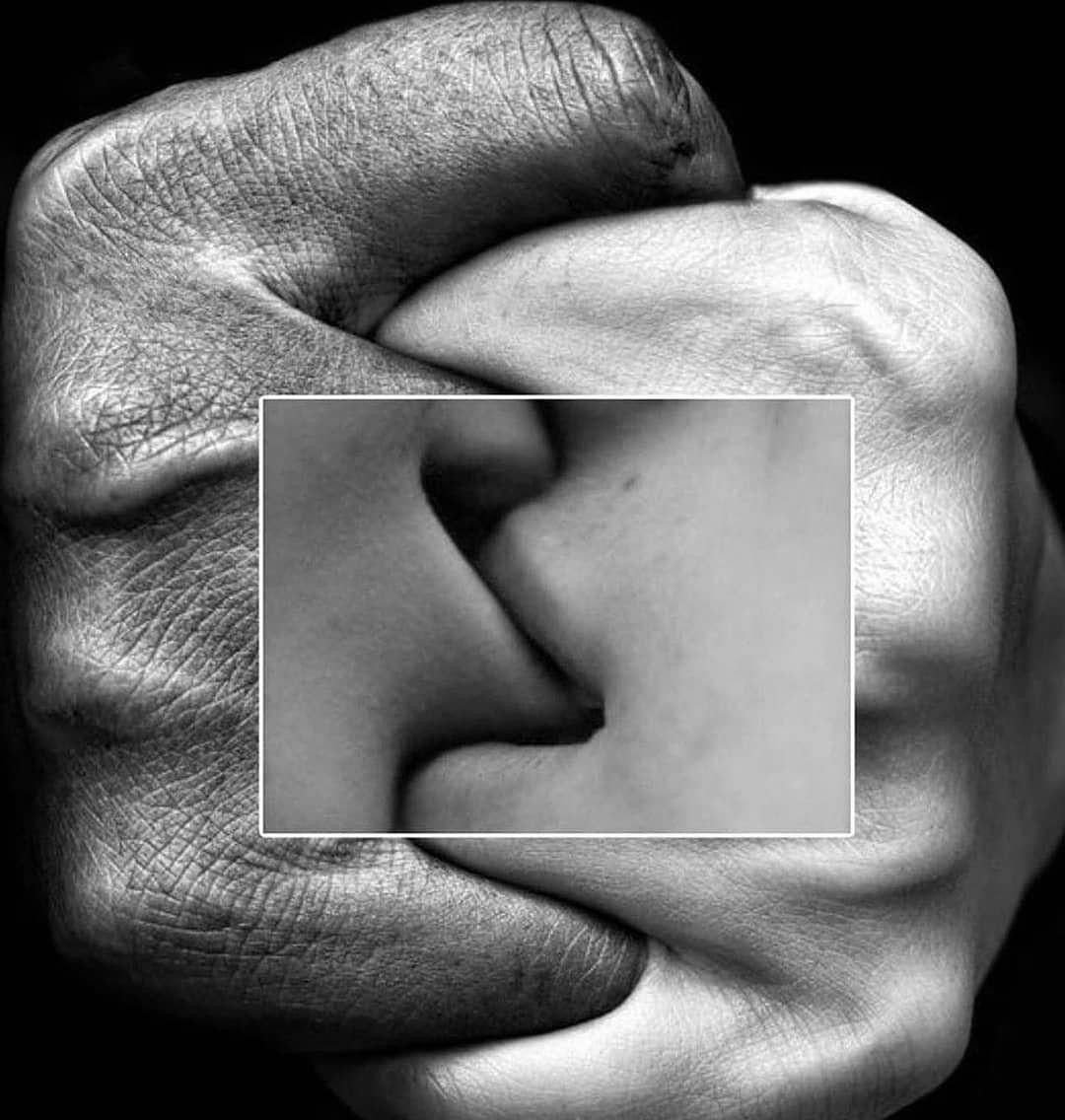
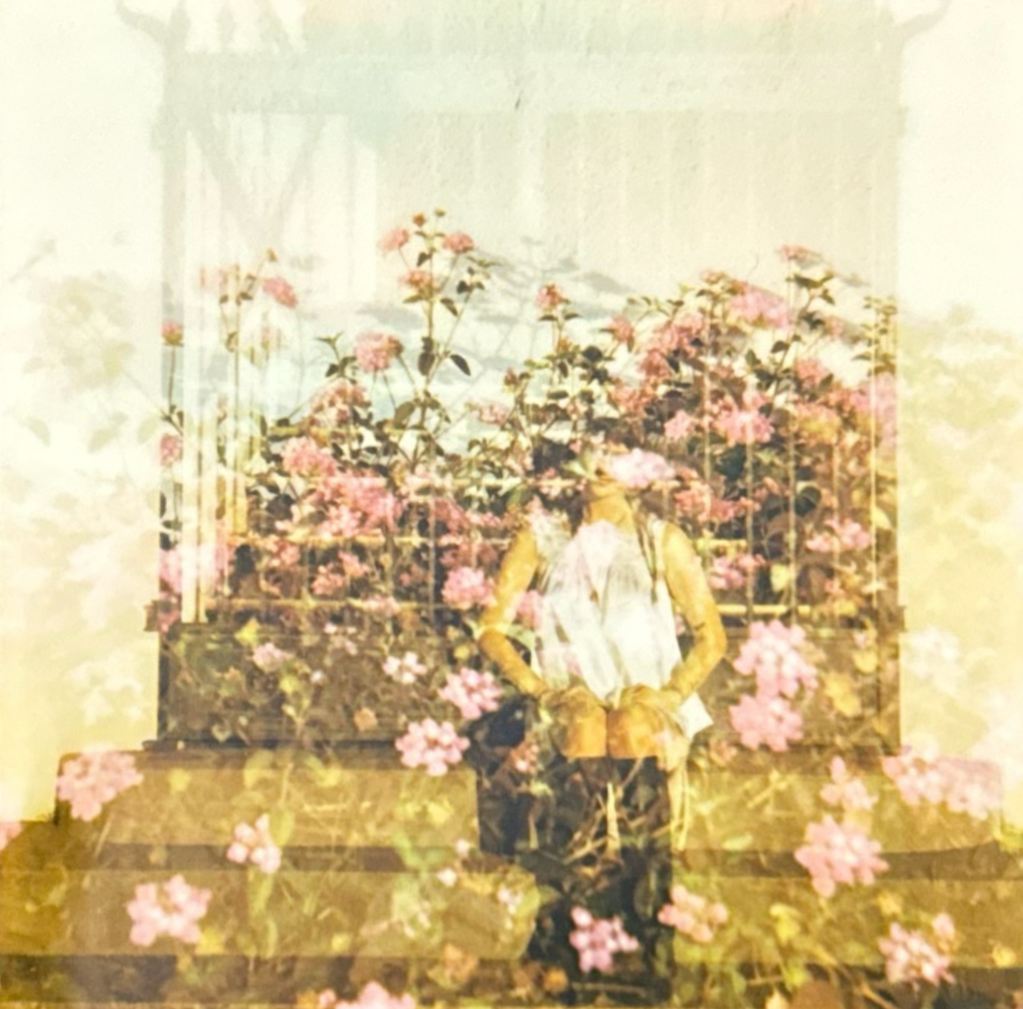

One theme per issue
Each quarter's issue had an established aesthetic, so students and outside artists understood the issue before they submitted. The magazine became more cohesive.
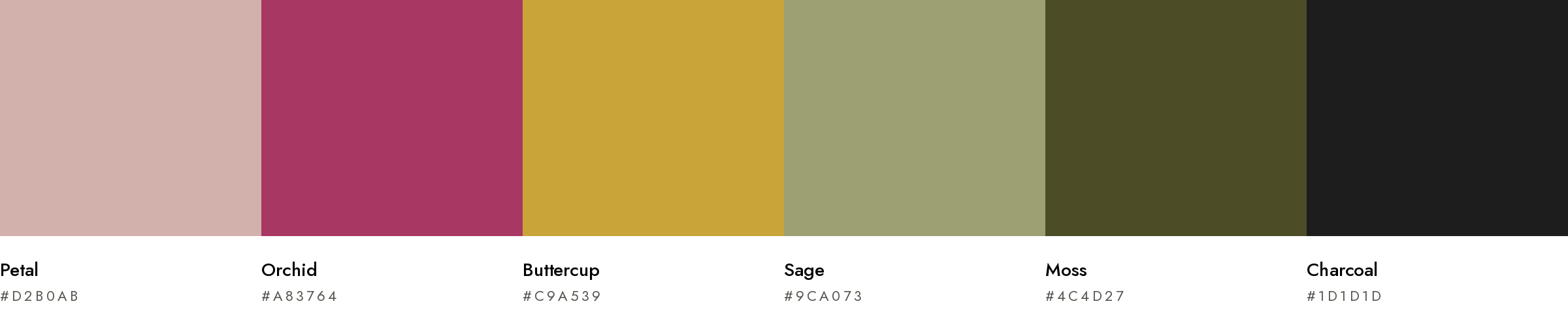
A clean, intentional editorial look
Every issue had a designated color palette, mood board, and style, and the whole issue followed them.
Design lectures for the staff
Lectures in ENG 106 covered the issue's design aesthetic and how it ties the art and the writing together through a process called ekphrasis.
A preflight checklist for every spread
To prevent costly print errors and establish brand consistency, a new checklist held every spread to print standards, from bleed and kerning to AP style, with final sign-off from the Editor-in-Chief.
Weekly social media calendars
A weekly calendar planned each post across the ten-week cycle: calls for submissions, where to find the magazine, launch dates, class enrollment, artist collaborations, and staff updates. Promotion also went out through newsletters, department listservs, and shout-outs from other accounts.
Collaborations with local artists
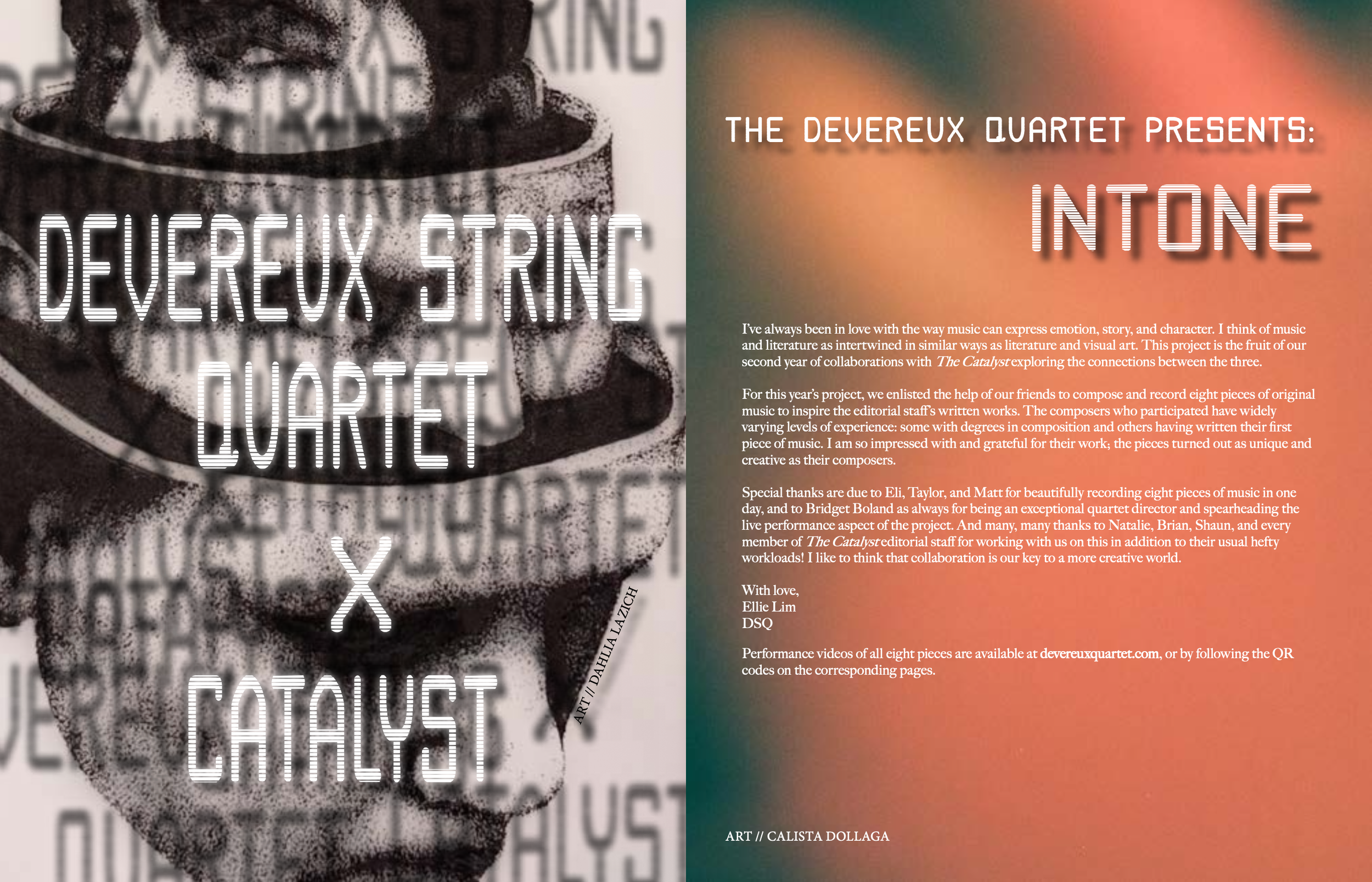
Catalyst partnered with the Devereux String Quartet on a live performance of poetry and music. The event connected the magazine to the Santa Barbara arts community, which widened its outreach and built local support.
The Results
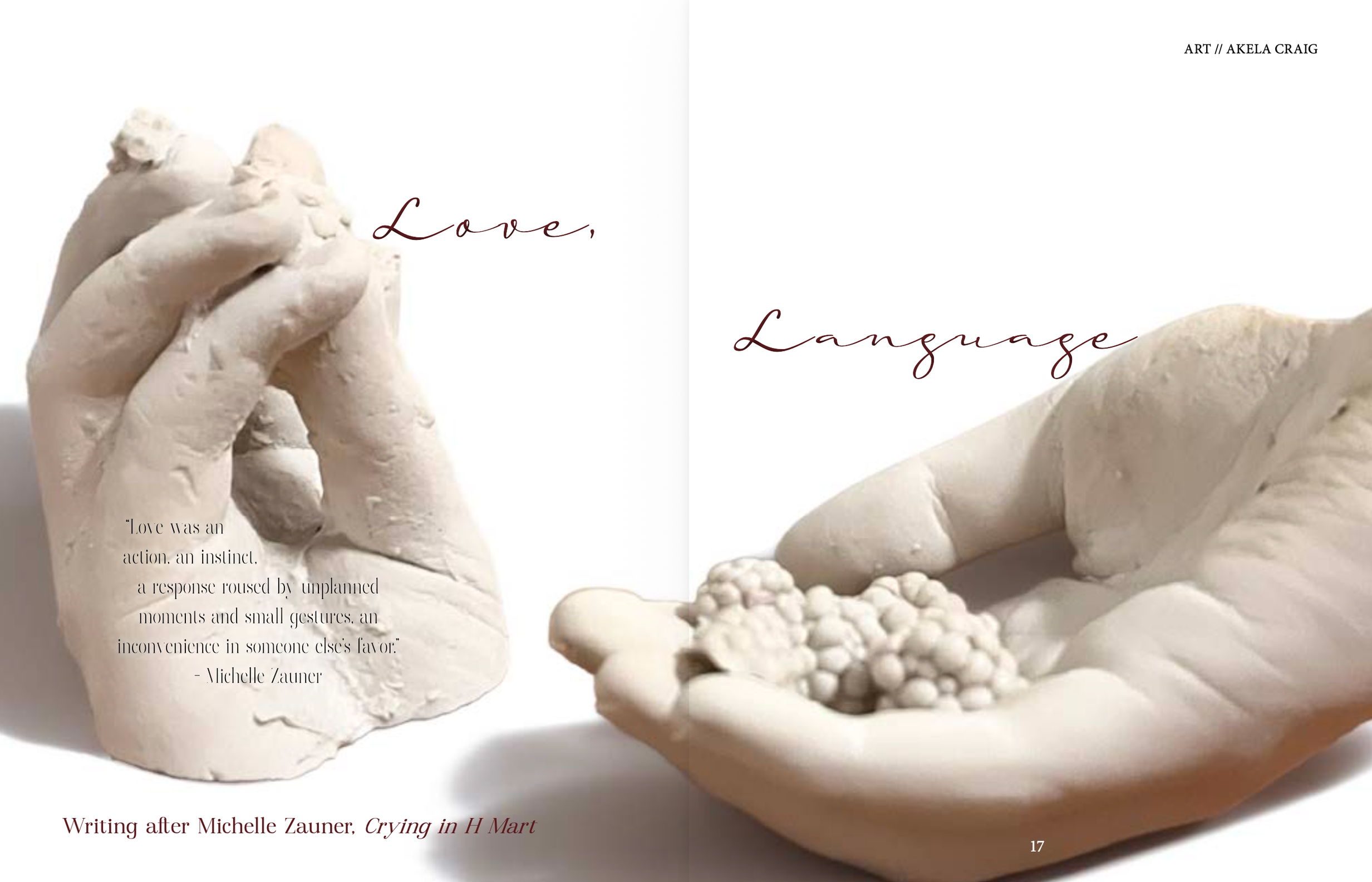
Michelle Zauner, Love, Language
As Catalyst grew more popular, the magazine partnered with the UCSB Library's UCSB Reads 2026 program, which chose Crying in H Mart as its book for the year. Through the partnership, the New York Times bestselling author held a workshop with the ENG 106 class. The magazine also published Love, Language, a print interlude with Zauner.

Devereux String Quartet, Intone
The Devereux String Quartet and its collaborators composed and recorded eight original pieces of music to inspire written work from the Catalyst editorial staff.